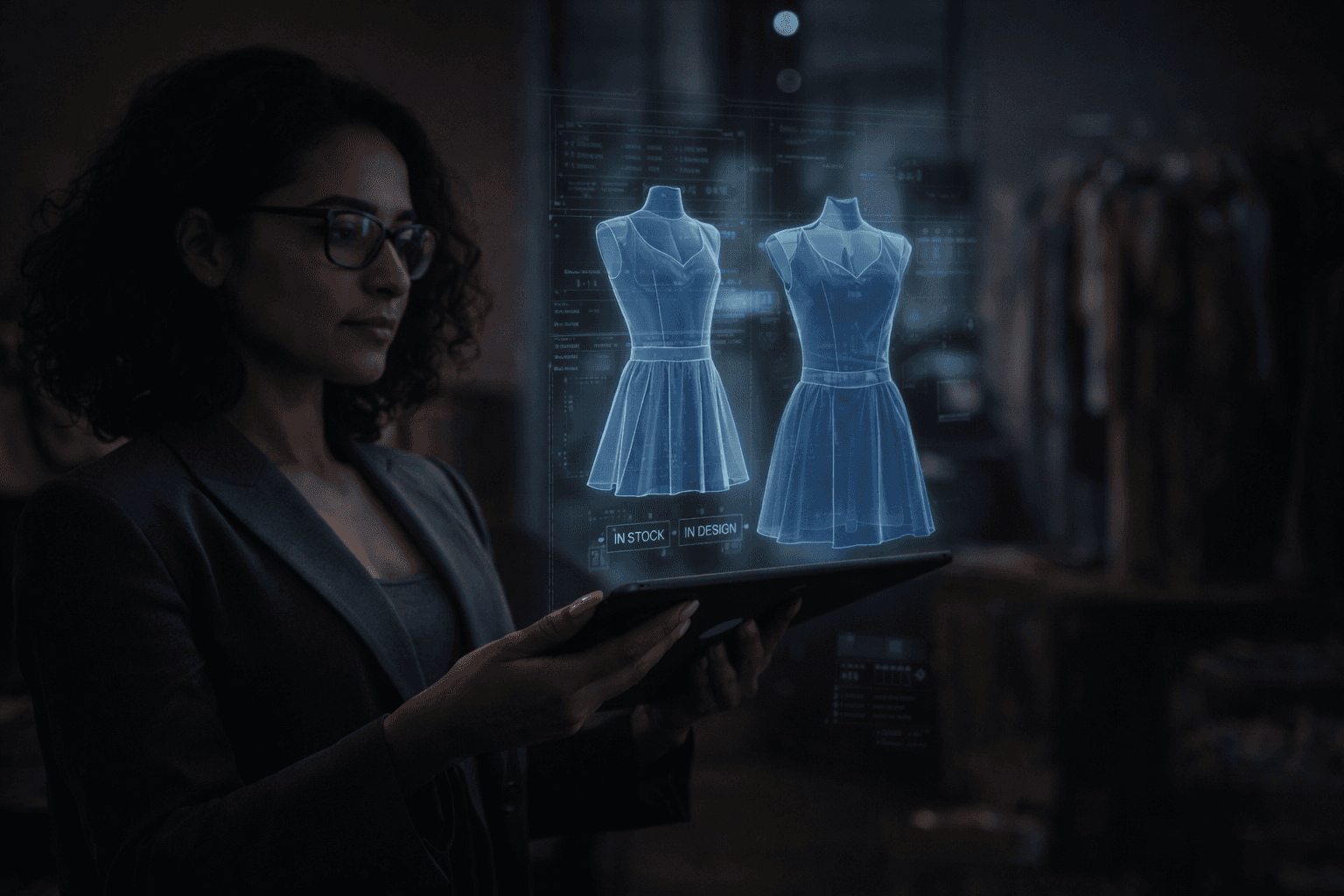
Digital Transformation in Tailoring: The Future of Boutiques
Explore digital transformation in tailoring and how boutiques use digital tools for measurements, orders, billing, customer history, and operations.
Digital Transformation in Tailoring: The Future of Boutiques
The tailoring industry is evolving as boutique and tailoring businesses adopt digital tools to manage everyday operations. Digital transformation in tailoring is helping businesses organize customer measurements, orders, billing, payment information, and customer history through digital systems.
For many boutique owners, moving from notebooks and spreadsheets to digital tools can make frequently used business information easier to organize, access, and update.
What Is Digital Transformation in Tailoring?
Digital transformation in tailoring means using digital technology to improve the way tailoring shops and boutiques manage their daily business activities. This can include digital measurement records, order management, billing software, customer databases, inventory tools, and business reports.
Instead of relying entirely on handwritten records and manual processes, tailoring businesses can use software to create a more structured digital workflow.
Why Is Digital Transformation Important for Tailoring Businesses?
Tailoring businesses manage many types of information every day. Customer measurements, stitching requirements, order details, delivery dates, payments, and previous customer history all need to be handled accurately.
As a business grows, managing this information manually can become more time-consuming. Digital tools provide a centralized way to organize frequently used information and reduce repetitive administrative work.
- Organize customer information digitally
- Store measurements in customer profiles
- Track tailoring and boutique orders
- Create digital invoices
- Maintain customer history
- Organize product and inventory information
- Access business information more easily
Key Digital Transformations in the Tailoring Industry
1. Digital Measurement Storage
Customer measurements are an important part of tailoring. Traditionally, measurements may be written in notebooks or stored on paper slips. Digital measurement storage allows businesses to maintain customer measurements electronically and access them when needed.
For repeat customers, digital measurement records can make it easier to retrieve existing information instead of starting from scratch for every order.
2. Online and Digital Order Tracking
Order tracking is another area where digital tools can simplify tailoring operations. Instead of manually checking an order book, businesses can use digital systems to organize orders and monitor their progress.
Order statuses such as pending, in progress, completed, and delivered can provide a clearer view of the current workload.
3. Automated Billing Systems
Manual billing can require repeated calculations and record keeping. Digital billing systems can help generate invoices, calculate totals, apply discounts or taxes where configured, and maintain payment information.
This can make everyday billing more organized while reducing repetitive manual work.
4. Customer History Management
Customer history is valuable for tailoring and boutique businesses because many customers return for additional orders. Digital customer management allows businesses to maintain customer information and connect it with previous orders and other relevant records.
When a customer returns, staff can access existing information and provide a more organized service experience.
5. Digital Inventory Management
Boutiques that sell fabrics, dresses, accessories, or other products also need to manage stock. Digital inventory management can help businesses organize product information and monitor stock levels.
Keeping inventory information digitally can make it easier to understand product availability and identify items that may require restocking.
Benefits of Digital Transformation for Tailoring Businesses
Adopting digital tools can provide practical benefits for tailoring shops and boutiques when the technology matches their business workflow.
- Faster operations: Reduce time spent searching through physical records.
- Better organization: Keep customers, orders, measurements, and billing information in one system.
- Improved accuracy: Structured digital records can reduce errors caused by unclear or misplaced handwritten information.
- Better customer experience: Access customer and order information more quickly.
- Reduced paperwork: Store frequently used business information digitally.
- Easier repeat orders: Access existing customer information when customers return.
- Business visibility: Use digital records and reports to understand business activity.
How Boutique Manager Supports Digital Transformation
Boutique Manager is designed to help boutique owners and tailoring businesses move from manual processes to a centralized digital workflow.
The platform brings important boutique activities together so businesses can manage customers, orders, measurements, billing, products, and other operations from one place.
Explore Boutique Manager features to learn more about the platform.
Digital Customer Management
Organize customer information digitally and connect customers with their relevant orders and business records.
Digital Measurement Management
Store customer measurements digitally so that relevant information can be accessed for future tailoring and custom clothing orders.
Digital Order Management
Create and track customer orders using a structured digital workflow. This can make it easier to understand which orders are pending, in progress, completed, or delivered.
Digital Billing and Invoicing
Create professional invoices and simplify the billing process with digital calculations and organized payment information.
Centralized Boutique Management
Manage different areas of your boutique through one platform instead of relying entirely on separate notebooks, spreadsheets, and manual records.
Traditional Tailoring Management vs Digital Management
| Business Activity | Traditional Method | Digital Method |
|---|---|---|
| Customer records | Paper notebooks | Digital customer profiles |
| Measurements | Handwritten records | Digital measurement records |
| Orders | Manual order books | Digital order tracking |
| Billing | Manual calculations | Digital invoicing |
| Customer history | Manual record searching | Centralized digital history |
| Inventory | Manual stock records | Digital inventory management |
How Digital Tools Improve the Customer Experience
Digital transformation is not only about improving internal operations. It can also affect how customers interact with a tailoring shop or boutique.
When customer information, measurements, orders, and billing records are organized, staff can spend less time searching for information and more time assisting customers.
For repeat customers, having previous information readily available can also make the ordering process more convenient.
Is Digital Transformation Suitable for Small Tailoring Shops?
Digital transformation is not limited to large fashion businesses. Small tailoring shops and independent boutique owners can also adopt digital tools gradually based on their business requirements.
A small business can start with essential functions such as customer management, measurement tracking, order management, and digital billing. As the business grows, additional tools such as inventory management and reports can become part of the workflow.
How to Start the Digital Transformation of Your Boutique
Moving from manual records to digital management does not have to happen all at once. Boutique owners can begin by identifying the business activities that currently require the most manual work.
- Identify manual processes: Find areas such as orders, measurements, billing, or customer records that take significant time.
- Choose suitable software: Select a platform that matches your boutique's workflow.
- Digitize customer information: Start organizing customer profiles and important records.
- Move measurements digitally: Store frequently used customer measurements electronically.
- Start digital order tracking: Track new orders and their progress through the system.
- Adopt digital billing: Generate invoices and organize payment information digitally.
- Expand gradually: Introduce additional features such as inventory and reports as your business requires them.
How to Choose Digital Tailoring Software
Before choosing software for your tailoring business, consider whether it supports the activities that are important to your daily workflow.
- Customer management
- Digital measurement tracking
- Order management
- Billing and invoicing
- Payment tracking
- Inventory management
- Business reports
- Mobile and desktop accessibility
- Simple user interface
- Pricing suitable for your business
View Boutique Manager pricing and plans to explore the available options.
The Future of Digital Tailoring
The use of digital tools in tailoring and boutique businesses is continuing to create new opportunities for better organization and customer service. Businesses can choose technologies that solve specific operational challenges while gradually building a more connected digital workflow.
From digital measurements and order tracking to invoicing, customer management, inventory, and reporting, technology can support many areas of a modern tailoring business.
The goal is not simply to replace paper with software. It is to create a workflow that makes important business information easier to manage and use.
Frequently Asked Questions About Digital Transformation in Tailoring
What is digital transformation in tailoring?
Digital transformation in tailoring means using digital technology to improve business activities such as customer management, measurements, orders, billing, inventory, and reporting.
Why should tailoring shops digitize customer measurements?
Digital measurement records can make customer measurements easier to store, update, and retrieve, especially when customers return for repeat tailoring orders.
Can small tailoring shops use digital management software?
Yes. Small tailoring shops can adopt digital software for essential activities such as customer management, measurements, orders, and billing according to their business requirements.
Can digital software replace tailoring notebooks?
Digital software can replace many paper-based record-keeping activities by providing electronic customer, measurement, order, and billing records.
Can digital tools improve tailoring customer service?
Organized digital records can make customer and order information easier to access, which can help staff respond to customer requests more efficiently.
What digital tools does a boutique need?
The tools required depend on the business. Common requirements include customer management, measurement tracking, order management, billing, inventory management, and business reporting.
Start Your Boutique's Digital Transformation
Digital transformation in tailoring is becoming an important part of modern boutique and tailoring business management. Digital tools can help businesses organize customer measurements, orders, billing, customer history, inventory, and other everyday activities.
With Boutique Manager, boutique owners and tailoring businesses can bring essential workflows together in one centralized digital platform.
Move beyond notebooks and spreadsheets. Build a more organized digital workflow for your boutique.
Want to see how it works? Book a Free Demo and explore Boutique Manager.
Ready to start? Sign up for the free version and begin managing your boutique digitally.
🚀 Want to simplify your boutique operations?
Manage orders, measurements, billing, and customers in one place with Boutique Manager.
Start Managing Your
Boutique Like a Pro
Everything you need — orders, customers, measurements, billing — in one powerful platform.